

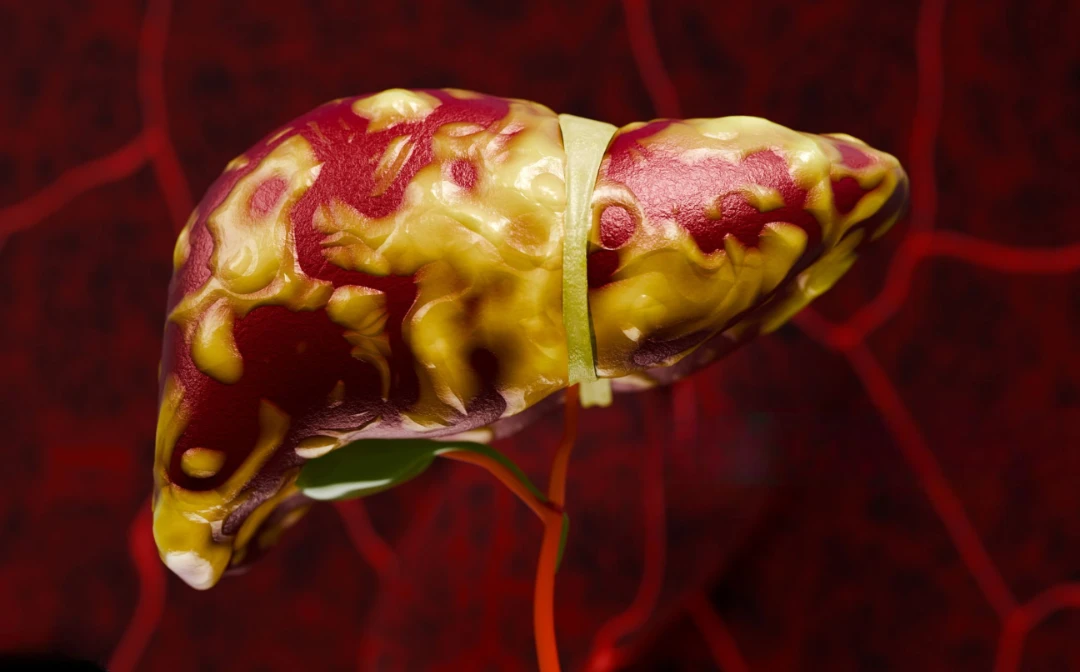
You know that dragging, end-of-the-day tiredness that’s easy to shrug off? Or that dull ache under your right ribs you barely notice? Most of the time, it’s nothing. But for some people, these small, easy-to-ignore signals are the only hint of something building quietly underneath — fatty liver disease.
Here’s the tricky part: fatty liver usually doesn’t announce itself. Many people find out they have it almost by accident — during a routine blood test or an ultrasound ordered for something completely unrelated. That’s exactly why it pays to know your risk factors and act early, before any real damage sets in.
So what is fatty liver, really?
In simple terms, it’s when too much fat builds up inside your liver cells. It’s usually tied to metabolic issues — being overweight, insulin resistance, type 2 diabetes, or off-balance cholesterol and triglyceride levels.
Doctors now often call this metabolic dysfunction-associated steatotic liver disease (MASLD) when it’s driven by these metabolic factors.
Alcohol can cause a similar buildup and its own kind of liver injury. Since the two types come from different root causes and need different management, getting a proper medical evaluation matters more than trying to self-diagnose.
Why it’s worth paying attention to
Having some fat in your liver doesn’t automatically mean lasting damage. For plenty of people, it stays fairly mild for years.
The real concern kicks in when that fat starts triggering inflammation and cell injury. Left unchecked, this can progress to MASH (metabolic dysfunction-associated steatohepatitis), then scarring (fibrosis), and eventually in more serious cases cirrhosis, liver failure, or even liver cancer.
None of this is a foregone conclusion, though. Catching it early gives you real leverage to change course.
Symptoms worth taking seriously
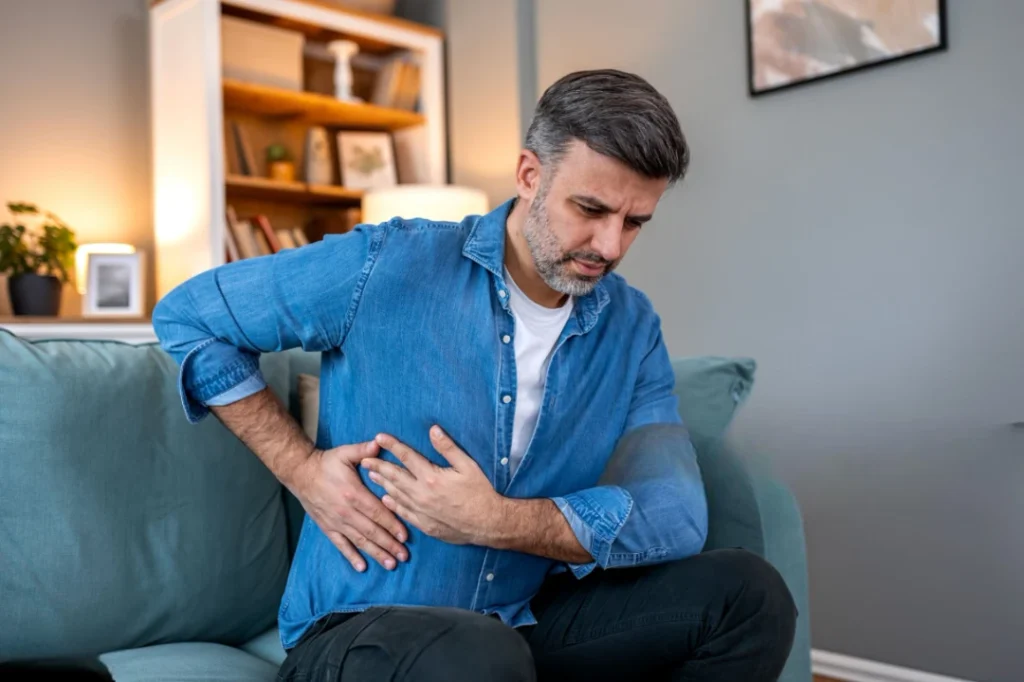
Most of the time, early fatty liver is symptom-free. When something does show up, it’s usually vague things like:
- Ongoing tiredness or low energy that doesn’t quite make sense
- A heavy or uncomfortable feeling in the upper-right belly
- A general sense that something’s “off,” without a clear reason
None of these are unique to fatty liver, so don’t try to self-diagnose based on them alone.
That said, some symptoms are red flags that need urgent attention yellowing of the eyes or skin, swelling in the belly or legs, vomiting blood, confusion, or sudden severe weakness. If any of these show up, don’t wait it out get to a doctor right away.
Who’s more likely to deal with this?
A handful of common factors raise the risk: carrying extra weight (especially around the belly), type 2 diabetes, high blood pressure, abnormal cholesterol or triglycerides, and metabolic syndrome in general.
A mostly sedentary routine and a diet heavy in added sugar, refined carbs, and ultra-processed food can push things further in the wrong direction.
Certain medications and other health conditions can affect the liver too which is exactly why unexplained abnormal liver test results deserve a conversation with a doctor, rather than just blaming diet and moving on.
How doctors actually diagnose it
There’s no single symptom or at-home test that confirms fatty liver on its own. A doctor typically starts by looking at your history medications, alcohol use, weight, and overall metabolic health — before ordering anything.
Blood tests can flag liver enzyme levels and other useful markers. Ultrasound or other imaging can show whether fat has built up. In some cases, doctors may also use elastography, or less often a liver biopsy, to check for inflammation or scarring.
Can it actually be reversed?
For many people, yes especially if it’s caught before significant scarring sets in.
If you’re carrying extra weight, slow, steady weight loss tends to work better than any crash diet. A balanced way of eating built around vegetables, fruit, whole grains, legumes, lean protein, and healthier fats is a far more sustainable path than any quick fix.
Movement matters just as much. A mix of cardio and strength training can improve how your body handles insulin and boost overall fitness, sometimes even before the scale moves much.
If diabetes, high cholesterol, or high blood pressure are already part of the picture, managing them with your doctor is a key part of protecting your liver. And if alcohol is involved, it’s worth having an honest conversation with a clinician about it, especially once liver disease is already on the table.
Prevention: How to Actually Keep Fatty Liver Away
The good news is that preventing fatty liver mostly comes down to a handful of everyday habits, not anything drastic. Here’s what actually helps:
- Keep your weight in a healthy range. If you need to lose weight, aim for slow, steady progress rather than a crash diet — rapid weight loss can actually stress the liver further.
- Build meals around whole foods. Vegetables, fruits, whole grains, and legumes should make up the bulk of your plate. Cut back on added sugar, sugary drinks, fried foods, and heavily processed snacks.
- Move your body regularly. Even a brisk 30-minute walk most days makes a difference. Try to avoid long stretches of sitting, and add some strength training if you can.
- Go easy on alcohol — or skip it. Alcohol puts direct strain on the liver, and that effect compounds if you already have metabolic risk factors.
- Manage diabetes, blood pressure, and cholesterol. If you’re already dealing with any of these, staying consistent with your doctor’s plan protects your liver as a side benefit.
- Don’t self-medicate with random supplements. Some over-the-counter supplements and unnecessary medications can quietly strain the liver — always check with a doctor before adding anything new.
- Get checked periodically, especially if you’re at higher risk. If diabetes, obesity, or liver disease run in your family, routine blood work (and imaging if needed) can catch problems early, while they’re still easy to reverse.
- Prioritize sleep and manage stress. Poor sleep and chronic stress quietly disrupt metabolic health, which circles back to affect the liver too.
A healthy liver comes from consistency, not shortcuts
There’s no magic detox drink or single “superfood” that cleanses your liver it’s already doing that complex job on its own, every single day.
What actually moves the needle is consistency: keeping your weight in check, staying active, eating well, skipping unnecessary supplements or medications, managing any existing health conditions, and keeping up with regular checkups.
Fatty liver may be quiet, but that’s exactly why it deserves your attention. If you’re dealing with diabetes, extra weight, cholesterol issues, unexplained liver test results, or ongoing abdominal discomfort, talking to a doctor sooner rather than later can make all the difference.
This article is for general informational purposes only and is not a substitute for professional medical advice.
Sources
- NIDDK – Nonalcoholic Fatty Liver Disease
- American Association for the Study of Liver Diseases (AASLD)
- Mayo Clinic – Fatty Liver Disease
Learn with us
Keep In touch With www.cookandshare.co
Cook Share Inspire

1 Comment
Pingback: Yoga Is More Than Exercise: How It Supports Body and Mind