

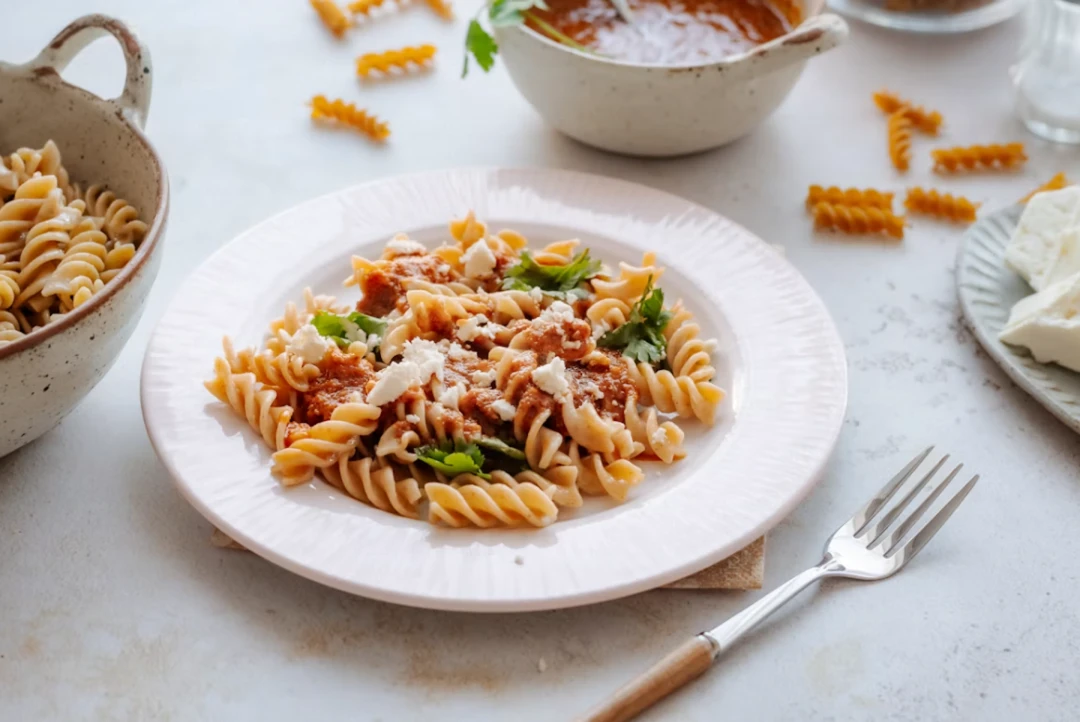
A colorful pasta salad with a surprisingly useful nutritional profile
Italian pasta salad is one of those dishes that works beautifully when you want something quick, filling and refreshing without spending hours in the kitchen. Tender pasta, lightly fried sausage, crisp bell pepper and fresh green onion come together with a tangy homemade Italian-style dressing.
Beyond its flavor, the combination can provide carbohydrates for energy, protein from sausage and pasta, and selected vitamins and minerals from vegetables. The nutritional value, however, depends heavily on the type and quantity of sausage, pasta and oil used.
Ingredients
- Pasta – enough for the desired number of servings
- Sausages – cut into small pieces
- 1 tablespoon cooking oil for frying
- Salted water for boiling pasta
- Green bell pepper – finely chopped
- Green onion – finely chopped
For the Italian-style dressing
- Salt
- Black pepper
- A small amount of sugar
- Vinegar
- Mustard paste
- Cooking oil
How to Make Italian Pasta Salad
Start by cutting the sausages into small pieces. Heat approximately one tablespoon of cooking oil in a pan and fry the sausage over high heat for about two to three minutes, or until properly heated and lightly browned. Set aside.
Bring salted water to a boil and cook the pasta for approximately eight to ten minutes, following the package instructions for the particular variety. Once tender, drain it in a colander and rinse briefly with cold water. This stops the cooking process and helps cool the pasta for the salad.
Next, finely chop the green bell pepper and green onion.
For the dressing, place salt, black pepper, sugar and vinegar into a clean bottle or jar. Shake thoroughly. Add mustard paste, then gradually pour in the cooking oil while shaking vigorously. Continue until the ingredients form a reasonably smooth dressing. Refrigerate it briefly before assembling the salad.
Place the cooled pasta in a wide serving bowl. Add the cooked sausage, chopped bell pepper and green onion. Pour over the prepared dressing and gently toss everything together using two spoons.
Chill before serving for a fresher texture and more developed flavor.
Why Italian Pasta Salad Can Be a Useful Meal
The appeal of this salad is its combination of different food groups in one bowl.
Pasta supplies carbohydrates, which are the body’s primary fuel source. Choosing whole-wheat pasta can increase fiber and provide more micronutrients than refined pasta.
Sausage contributes protein, iron, zinc and vitamin B12, depending on the variety. However, processed sausages can also contain considerable amounts of sodium and saturated fat. For a healthier everyday version, choose a leaner sausage and keep the portion moderate.
Green bell pepper adds vitamin C and antioxidants while contributing relatively few calories. Vitamin C also helps the body absorb iron from plant foods.
Green onion contributes small amounts of vitamin C, vitamin K, folate and other plant compounds.
Mustard and vinegar add strong flavor without requiring a large quantity of dressing. Vinegar can also make a salad taste brighter, allowing you to reduce some of the added fat or salt.
Approximate Nutrition: What Does Each Ingredient Provide?
Exact nutrition cannot be calculated without ingredient weights and brands. The following is a general guide rather than a laboratory-tested nutrition label.
| Ingredient | Main nutrients |
|---|---|
| Pasta | Carbohydrates, protein, selenium, manganese, B vitamins |
| Sausage | Protein, vitamin B12, iron, zinc, fat |
| Green bell pepper | Vitamin C, vitamin A, vitamin B6, antioxidants |
| Green onion | Vitamin K, vitamin C, folate and antioxidants |
| Mustard | Small amounts of protein, minerals and plant compounds |
| Vinegar | Very low calories; mainly contributes acidity and flavor |
| Cooking oil | Fat and energy; nutritional profile varies by oil |
| Black pepper | Small amounts of manganese, vitamin K and antioxidant compounds |
Protein
Protein mainly comes from the sausage and pasta. A serving’s total amount will depend on how much of each ingredient is included. Using a higher-protein pasta, such as pasta made from legumes, can substantially increase the protein content.
Vitamins and Minerals
The vegetables provide vitamin C and other micronutrients, while meat-based sausage can supply vitamin B12, iron and zinc. Pasta contributes several B vitamins and minerals, particularly when enriched or made from whole grains.
How to Make It Healthier
A few simple changes can improve the nutritional balance without taking away the character of the dish.
Use whole-grain pasta for additional fiber. Increase the amount of bell pepper and green onion for more vegetables. Choose a lean, lower-sodium sausage when possible. You can also reduce the amount of oil in the dressing and use extra vinegar, mustard, herbs or lemon juice for flavor.
For a more complete meal, consider adding beans, chickpeas, grilled chicken or another minimally processed protein source.
People watching sodium intake should pay particular attention to both sausage and added salt because these can quickly raise the overall sodium content.
The Bottom Line
Italian pasta salad is more than a convenient side dish. With sensible portions and a few ingredient adjustments, it can become a colorful, satisfying meal containing carbohydrates, protein, vegetables, fats and a range of micronutrients.
Its biggest advantage is flexibility: you can adapt the recipe to your nutritional needs without losing its fresh, tangy character.
Nutrition note: Nutritional values vary according to portion size, brands, preparation methods and ingredient quantities. People with diabetes, kidney disease, cardiovascular conditions or specific dietary restrictions should consider their individual nutritional requirements and seek advice from a qualified healthcare professional when needed.
Source
- USDA FoodData Central
- Harvard T.H. Chan School of Public Health – The Nutrition Source
- National Institutes of Health, Office of Dietary Supplements
Learn with us
Keep In touch With www.cookandshare.co
Cook Share Inspire

2 Comments
Pingback: Fresh Mango Yogurt Smoothie: A Creamy, Healthy Drink
Pingback: Quick Healthy Breakfast: 10-Minute Vegetable Egg Toast Recipe