

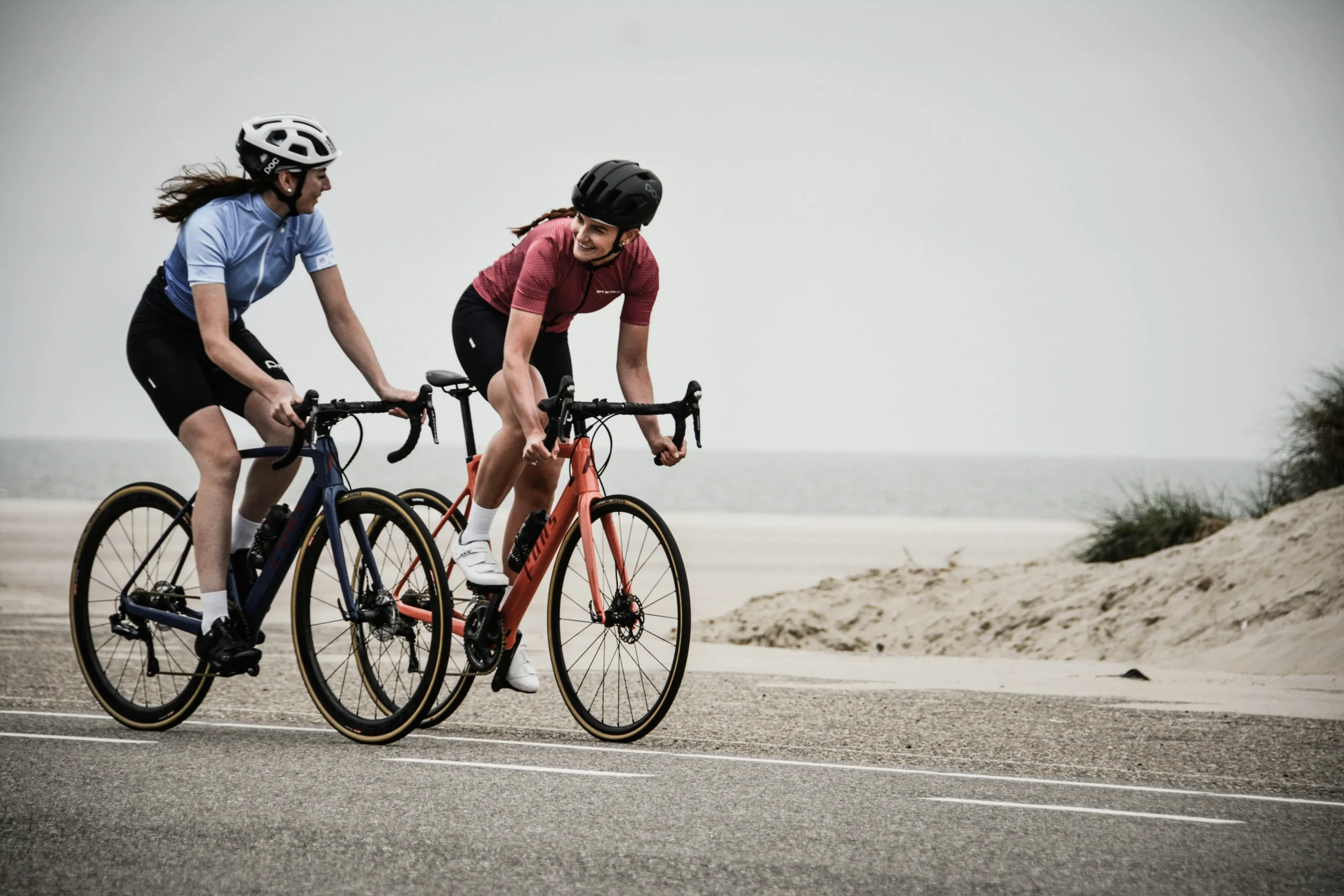
A Childhood Favorite That Can Become a Healthy Adult Habit
For many people, a bicycle brings back memories of childhood. Streets, parks and quiet neighborhood roads once became places to explore on two wheels.
Then life became busier.
Work, family responsibilities, traffic and technology gradually pushed cycling aside. Many bicycles ended up stored away, while cars and motorcycles became the preferred way to travel.
But cycling does not have to remain a childhood pastime.
It can be a practical form of physical activity for adults and children alike. It is relatively affordable, requires little equipment and can be adapted to different fitness levels.
More importantly, regular cycling can help people become more physically active without making exercise feel like a chore.
Cycling Helps Keep the Body Active
Cycling is an aerobic activity that works several large muscle groups, particularly the legs.
The quadriceps, hamstrings and calf muscles all contribute to pedaling. Regular riding can help improve muscular endurance and overall physical fitness.
For someone who has been inactive, there is no need to begin with a long or demanding ride. A short, comfortable session can be a sensible starting point.
As fitness improves, the duration and intensity can gradually increase.
This approach makes cycling accessible to beginners as well as people who already exercise regularly.
A Workout for the Heart and Lungs
One of the important health benefits of cycling is its contribution to cardiovascular fitness.
As cycling intensity increases, the heart and lungs work harder to supply the body with oxygen. Regular aerobic activity can support cardiovascular health when combined with other healthy lifestyle habits.
Cycling can also provide a useful alternative to repetitive gym workouts. A change of scenery can make physical activity more enjoyable and easier to maintain over time.
Anyone with a heart, lung or other significant medical condition should discuss an appropriate exercise routine with a healthcare professional before starting a new program.
Can Cycling Help With Weight Management?
Cycling can increase the amount of energy the body uses during the day, which may support weight management.
However, there is no single number of calories that everyone burns during a cycling session. Energy expenditure depends on factors such as body weight, speed, terrain, duration and fitness level.
Nutrition also matters.
A balanced diet combined with regular physical activity generally provides a more sustainable approach to managing body weight than relying on exercise alone.
For someone trying to become more active, cycling can be an enjoyable way to increase daily movement.
Cycling and Mental Well-Being
The benefits of exercise are not limited to physical fitness.
Regular physical activity can support mental well-being and may help reduce feelings of stress. Cycling outdoors can provide a break from work, screens and everyday responsibilities.
A quiet ride through a park or along a safe cycling route can also provide an opportunity to spend time outside.
However, exercise should not be presented as a replacement for professional mental-health care. Anyone experiencing persistent depression, severe anxiety or other concerning symptoms should seek appropriate medical support.
Why Cycling Can Be Good for Children
Children naturally enjoy movement, and cycling can turn physical activity into something they genuinely look forward to.
Parents can take children to a safe park, cycling track or other suitable location where they have enough space to practice.
Safety should always come first.
A properly fitted helmet, a bicycle suitable for the child’s age and size, and adult supervision are particularly important for younger riders. Children should also learn basic road-safety rules before cycling near traffic.
Parents can make the activity more enjoyable by joining their children. When children see adults making physical activity part of everyday life, it can help create positive habits.
Cycling Can Also Support Greener Travel
A bicycle is more than exercise equipment.
For short journeys, cycling can sometimes provide an alternative to a motor vehicle. It does not require fuel and produces no direct tailpipe emissions while being ridden.
That makes cycling relevant not only to personal fitness but also to sustainable urban transportation.
Cities with safe cycling infrastructure can make active travel easier and more practical for residents.
How to Start Cycling Safely
If cycling has not been part of your routine for a long time, start slowly.
Begin with short rides on familiar, low-traffic routes. Increase the duration gradually as your body becomes accustomed to the activity.
Before riding, check the brakes, tires, chain and overall condition of the bicycle.
The saddle should be adjusted appropriately, and the bicycle should fit the rider comfortably.
Wear a properly fitted helmet. When riding in low-light conditions, use appropriate lights and reflective equipment.
Most importantly, choose a route that matches your experience and local safety conditions.
Make Cycling a Regular Habit
The biggest advantage of cycling may be its simplicity.
You do not need an expensive gym membership or complicated equipment. A suitable bicycle, a safe route and a little consistency can turn cycling into a valuable part of an active lifestyle.
Whether the goal is to become more physically active, support cardiovascular fitness, manage body weight or encourage children to spend more time outdoors, cycling offers a practical option.
The key is consistency rather than intensity.
A short ride today can be the beginning of a much healthier routine tomorrow.
HEALTH NOTE
The effects of cycling vary from person to person. Age, fitness level, cycling intensity, duration and existing health conditions can all influence the experience.
This article provides general health information and is not a substitute for individualized medical advice.
Source
World Health Organization — Physical Activity, Centers for Disease Control and Prevention — Physical Activity Basics, NHS — Exercise
Learn with us
Keep In touch With www.cookandshare.co
Cook Share Inspire

2 Comments
Pingback: Lung Cancer Symptoms, Causes & Prevention Guide
Pingback: Healthy Lifestyle Tips: 7 Simple Habits for Better Health