

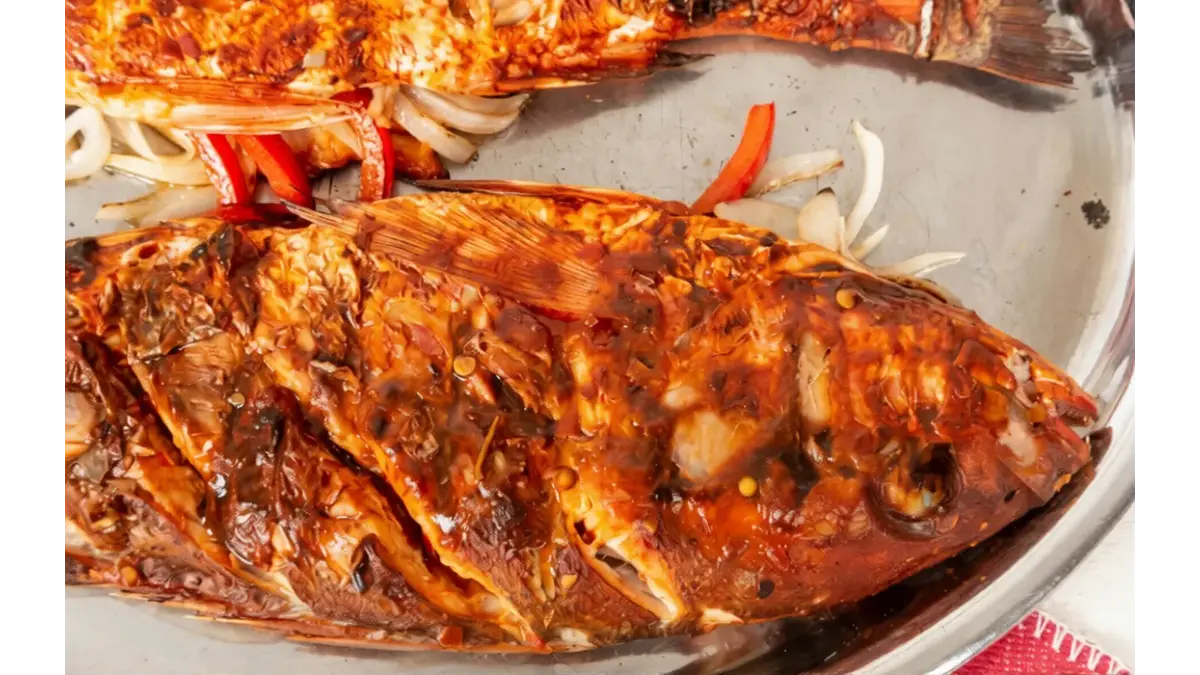
This Thai Baked Fish recipe brings together tender white fish, creamy coconut milk, fresh lime, garlic, and warming ginger. The combination creates a delicious Thai-inspired sauce that tastes rich, fresh, and slightly spicy without requiring complicated cooking techniques.
I love recipes that deliver plenty of flavor without keeping me in the kitchen for hours. This baked fish is one of those meals. Everything goes into a baking dish, the oven does most of the work, and dinner is ready in around 30 minutes.
The fish stays moist and flaky while absorbing the aromatic coconut-lime sauce. Serve it with steamed jasmine rice, brown rice, or your favorite vegetables for a satisfying meal.
Why You’ll Love This Thai Baked Fish
- Quick preparation: It takes approximately 10 minutes to prepare.
- Beautiful flavors: Coconut milk, lime, ginger, garlic, and Thai red curry paste create a balanced sauce.
- Protein-rich: White fish provides high-quality protein.
- Easy cleanup: Everything bakes together in one dish.
- Flexible recipe: You can use cod, haddock, tilapia, or another suitable white fish.
Ingredients You’ll Need
The fish:
- 1½ pounds (680 g) white fish fillets, such as cod or haddock
- ½ teaspoon salt
- ¼ teaspoon ground black pepper
- 1 tablespoon fresh lime juice
For the Thai coconut sauce:
- ¾ cup (180 ml) unsweetened coconut milk
- 2 tablespoons Thai red curry paste
- 2 tablespoons fresh lime juice
- 1 tablespoon fish sauce
- 1 tablespoon honey
- 3 garlic cloves, finely minced
- 1 tablespoon freshly grated ginger
- 1 teaspoon low-sodium soy sauce
- 1 teaspoon lime zest
For serving and garnish:
- 2 tablespoons chopped fresh cilantro
- 1 red chili, thinly sliced (optional)
- 2 lime wedges
- 2 tablespoons sliced green onions
How to Make Thai Baked Fish
First Step: Prepare the oven and fish
Preheat your oven to 400°F (200°C). Lightly grease a baking dish with a little oil or cooking spray.
Pat the fish fillets dry using paper towels. Season both sides with salt, black pepper, and one tablespoon of lime juice. Arrange the fillets in a single layer in your prepared baking dish.
2nd Step: Make the Thai coconut sauce
In a medium bowl, whisk together coconut milk, Thai red curry paste, lime juice, fish sauce, honey, minced garlic, grated ginger, soy sauce, and lime zest.
Mix until the curry paste is evenly distributed and the sauce looks smooth.
Taste a little of the sauce before adding it to the fish. If you prefer a spicier flavor, add a little extra curry paste or sliced red chili.
3rd Step: Add the sauce
Pour the prepared coconut sauce evenly over the fish fillets. Use a spoon to distribute the sauce around the edges so the fish is surrounded by flavor.
4th Step: Bake the fish
Place the baking dish in the preheated oven and bake for approximately 12–18 minutes, depending on the thickness of your fish.
The fish should become opaque and separate easily with a fork. Check the thickest part with a food thermometer; fish should reach an internal temperature of 145°F (63°C).
Avoid overbaking, as thin fillets can cook quickly.
5th Step: Garnish and serve
Remove the baking dish from the oven and allow the fish to rest briefly. Spoon some of the warm coconut sauce over each fillet.
Finish with fresh cilantro, green onions, sliced red chili, and lime wedges.
Serve immediately with steamed jasmine rice, brown rice, or roasted vegetables.
What Makes This Recipe Nutritious?
Fish is a valuable source of protein, which helps maintain muscles and supports normal body functions. Depending on the variety, white fish also provides vitamin B12, selenium, and other essential nutrients.
Coconut milk contributes a creamy texture and contains fat, particularly saturated fat. For a lighter version, use light coconut milk.
Garlic and ginger provide aromatic flavor, while lime adds freshness and vitamin C. Cilantro contributes additional plant compounds and flavor.
The nutritional value depends on the fish variety, curry paste, coconut milk, and portion size. This recipe is a protein-rich meal, but it is important to remember that coconut milk and fish sauce contribute saturated fat and sodium, respectively.
Tips for the Best Thai Baked Fish
- Choose similar-sized fillets: This helps the fish cook evenly.
- Don’t skip drying the fish: Removing excess moisture helps the seasoning cling to the fillets.
- Adjust the spice: Thai curry pastes vary in heat, so start with two tablespoons and adjust to taste.
- Use fresh lime: Fresh juice gives the sauce a brighter flavor.
- Check the temperature: A food thermometer helps prevent undercooking and overcooking.
What to Serve with Thai Baked Fish
I recommend serving this fish with steamed jasmine rice because it absorbs the delicious coconut sauce. Brown rice is another good option if you prefer more fiber.
You can also add steamed broccoli, sautéed green beans, roasted carrots, or a fresh cucumber salad to make the meal more balanced.
Final Thoughts
This Thai Baked Fish is an easy, flavorful dinner that combines tender fish with a creamy coconut-lime sauce and fragrant Thai-inspired ingredients. It requires simple preparation, cooks quickly, and makes an excellent addition to a weekly dinner menu.
If you enjoy seafood and fresh, vibrant flavors, give this recipe a try. Adjust the chili to your preferred heat level and serve it with rice for a delicious homemade meal.
Here is your clean, publication-ready recipe information and nutrition card for Cook & Share.
Thai Baked Fish – Recipe Information Chart
| Recipe Details | Information |
|---|---|
| Prep Time | 10 minutes |
| Cook Time | 15–18 minutes |
| Total Time | 25–28 minutes |
| Servings | 4 people |
| Oven Temperature | 400°F (200°C) |
| Cuisine | Thai-inspired |
Estimated Nutrition Per Serving
| Nutrient | Amount |
|---|---|
| Calories | 300 kcal |
| Protein | 35 g |
| Total Fat | 14 g |
| Carbohydrates | 10 g |
| Fiber | 2 g |
| Sugar | 5 g |
Nutrition values are estimates and may vary depending on the ingredients and brands used.
Nutrition estimates are per serving, including sauce and excluding rice. Actual values vary according to fish type, coconut milk brand and curry paste. Sodium is brand-dependent and has not been independently laboratory-tested.
Nutritional Benefits of Ingredients
| Ingredient | Nutritional contribution |
|---|---|
| White fish | Protein, vitamin B12 and selenium |
| Coconut milk | Energy and fat, including saturated fat |
| Ginger | Gingerols and natural plant compounds |
| Garlic | Organosulfur compounds |
| Lime | Vitamin C |
| Cilantro | Vitamin K and plant compounds |
| Red chili | Capsaicin and vitamin C |
Healthy Eating Tip
White fish is generally lean and protein-rich. Coconut milk adds creaminess and saturated fat. Choose light coconut milk to reduce the fat content. Fish sauce and curry paste can also increase sodium, so check their nutrition labels.
Recipe card note: These are estimated nutritional values, not verified laboratory results. For an accurate published nutrition label, calculate the exact ingredients using their brands and quantities.
9. Frequently asked questions
1. What is the best fish for Thai baked fish?
Cod and haddock are excellent choices because they have mild flavors and flaky textures. Tilapia and pollock also work well.
2. Can I use frozen fish?
Yes. Thaw frozen fish completely in the refrigerator before cooking. Pat it dry to remove excess moisture.
3. Can I make Thai baked fish without coconut milk?
Yes. You can use light coconut milk or an unsweetened alternative, although the sauce will have a different texture and flavor.
4. How do I know when baked fish is ready?
The fish should be opaque and separate easily with a fork. Its thickest part should reach 145°F (63°C).
5. How should I store leftover Thai baked fish?
Refrigerate leftovers in an airtight container within two hours of cooking and use within 3–4 days. Reheat gently until thoroughly hot.
Learn with us
Share the Taste with us: www.cookandshare.co
Cook Share Inspire

1 Comment
Pingback: Easy Chicken Rice with Fresh Cucumber Raita