

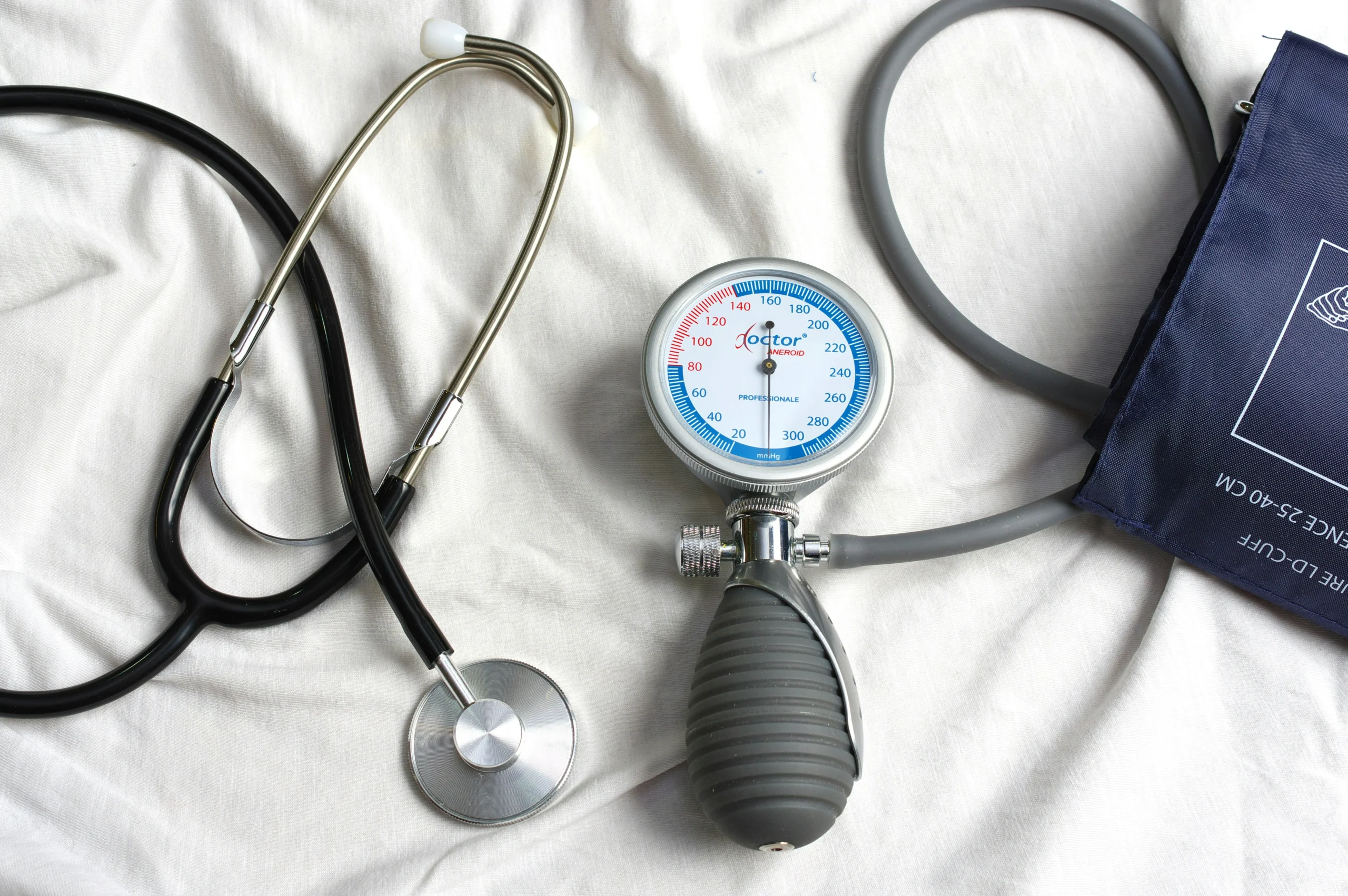
High blood pressure rarely announces itself. A person can feel perfectly well while elevated pressure is quietly increasing the strain on the heart, blood vessels and kidneys. That is why everyday habits matter. High blood pressure is common: the U.S. Centers for Disease Control and Prevention reports that 48.1% of U.S. adults about 119.9 million people had hypertension under its current definition.
The encouraging part is that lifestyle choices can play an important role in prevention and management. Healthy eating, regular physical activity, weight management, lower sodium intake, stress management and limiting alcohol are all included in current blood-pressure guidance.
1. Watch Your Weight and Waistline
Carrying excess body weight can contribute to high blood pressure. Even modest weight loss may help improve blood-pressure control. The American Heart Association notes that losing around 5% of body weight can support better health and help lower or prevent high blood pressure in people who are overweight.
The goal does not need to be an extreme diet. Consistent meals, sensible portions and regular movement are more sustainable than short-term crash plans.
2. Make Physical Activity a Regular Habit
Exercise does not have to mean spending hours in a gym. Brisk walking, cycling, swimming, dancing and other moderate activities can become part of a practical weekly routine.
Regular physical activity can help lower blood pressure while also supporting weight control and overall cardiovascular health. If someone has been inactive or has another medical condition, discussing an appropriate exercise plan with a healthcare professional is sensible.
3. Cut Back on Sodium
Salt deserves particular attention because sodium intake is closely associated with raised blood pressure. WHO recommends that adults consume less than 2,000 mg of sodium per day, equivalent to less than 5 grams of salt.
The American Heart Association recommends no more than 2,300 mg of sodium daily, with an ideal target of 1,500 mg for most adults, particularly people with high blood pressure.
The important point is that sodium does not come only from the salt shaker. Packaged foods, restaurant meals, processed meats, sauces, breads, snacks and convenience foods can contain substantial amounts. Reading nutrition labels can reveal hidden sources.
Useful swaps include:
- Choose fresh foods more often.
- Compare sodium levels on packaged products.
- Use herbs, spices, garlic, lemon or vinegar for flavor.
- Reduce salty sauces, instant meals and processed snacks.
- Keep a simple food diary when trying to identify high-sodium habits.
4. Choose a DASH-Style Eating Pattern
A heart-friendly diet does not have to be complicated. The DASH eating plan emphasizes vegetables, fruits, whole grains, beans, nuts, fish, poultry and low-fat dairy while limiting saturated fat, added sugars and sodium.
Research supported by the National Heart, Lung, and Blood Institute found that combining DASH with lower sodium intake can produce greater reductions in blood pressure than either approach alone.
A practical plate might include leafy vegetables, a whole grain, beans or lean protein and a piece of fresh fruit.
5. Rethink Alcohol
Alcohol can raise blood pressure, particularly when consumed in larger amounts. The American Heart Association advises that people who do not drink should not start for supposed heart-health benefits. For those who choose to drink, its guidance recommends no more than two drinks per day for men and one for women.
People taking blood-pressure medication should also discuss alcohol use with a healthcare professional because individual circumstances differ.
6. Dark Chocolate Is Not a Blood-Pressure Treatment
Dark chocolate is sometimes promoted as a quick solution for hypertension because cocoa contains flavanols. However, it should not replace proven approaches such as reducing sodium, improving the overall diet, exercising and taking prescribed medication.
If dark chocolate is included, portion size still matters because many products contain substantial amounts of added sugar and calories. It is better viewed as an occasional food than a treatment.
7. Pay Attention to the Bigger Picture
Reducing salt is valuable, but blood-pressure management rarely depends on one ingredient. Sleep, physical activity, body weight, stress, smoking, diet and medication adherence can all matter.
WHO states that high sodium intake is associated with raised blood pressure and increased cardiovascular risk, while potassium-rich foods can help offset some of sodium’s effects.
Anyone with diagnosed hypertension should continue prescribed treatment and discuss lifestyle changes with a healthcare professional rather than replacing medication with dietary remedies.
People with kidney disease or certain medical conditions should ask a healthcare professional before deliberately increasing potassium intake or using potassium-containing salt substitutes.
The Bottom Line
A lower-sodium diet, more vegetables and fruit, regular movement, sensible weight management and limited alcohol can create a stronger foundation for healthy blood pressure. The most useful changes are usually the ones that can be maintained every day.
High blood pressure may be silent, but managing it does not have to be complicated. Start with the habits that are realistic, monitor progress and seek professional medical advice when readings remain elevated.
Medical note: This article is for general health education and does not replace diagnosis or individualized medical advice.
sources:
World Health Organization, The American Heart Association, Centers for Disease Control and Prevention
Learn with us
Keep In touch With www.cookandshare.co
Cook Share Inspire

1 Comment
Pingback: Running for Weight Loss: Beginner’s Jogging Guide