

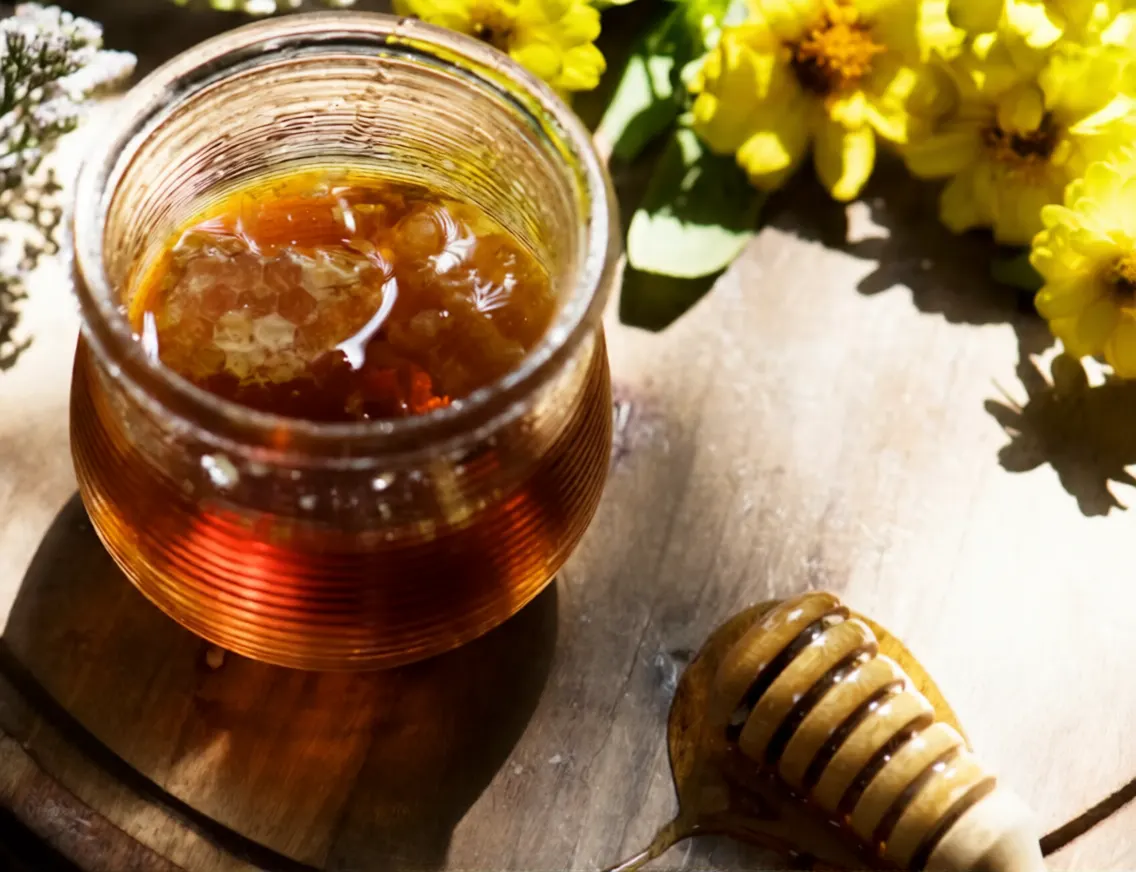
There is something timeless about honey. Golden, fragrant and naturally sweet, it has found a place in kitchens, traditional remedies and cultural practices for thousands of years. But before adding a spoonful to breakfast every morning, it is worth separating the genuine nutritional value of honey from some of the bigger health claims often attached to it.
Honey is made by bees from the nectar of flowering plants. Its colour, aroma and flavour can vary depending on the flowers visited by the bees. Modern research suggests that honey contains compounds with antioxidant and antimicrobial properties, although it remains primarily a source of sugar rather than a miracle food.
That distinction matters. A healthy breakfast is not created by one ingredient alone. Honey can complement a balanced meal, but it should be used thoughtfully.
Why Has Honey Been Called “Liquid Gold”?
The appeal is easy to understand. Long before modern nutrition labels existed, honey was valued as both food and a traditional remedy. Its sweetness comes naturally from sugars such as glucose and fructose, while honey also contains smaller amounts of other compounds.
Research has explored honey’s potential role in areas such as cough relief, inflammation and cardiovascular health. However, the evidence varies according to the condition, the type of honey and how it is used. Mayo Clinic notes that honey may help reduce coughing in children over one year old, while research has not established it as a replacement for conventional treatment.
So, what makes honey interesting is not that it can solve every health problem. Its appeal lies in its distinctive combination of natural sweetness and bioactive compounds.
Start the Morning With a Better Breakfast
Breakfast is an opportunity to build a nutritious routine rather than simply satisfy hunger.
A small amount of honey can add flavour to plain yogurt, porridge, whole-grain cereal or toast. It can also be combined with fruit, nuts and seeds for a more satisfying meal.
For people trying to reduce their reliance on highly processed sweet foods, honey can be a useful flavouring option. But it should not be treated as a sugar-free food. WHO classifies the naturally occurring sugars in honey as free sugars and recommends limiting overall free-sugar intake.
That means the key is moderation.
Can Honey Replace Table Sugar?
Sometimes, yes—but the substitution should be made with realistic expectations.
Adding honey to tea, milk or breakfast foods may create a pleasant alternative to refined table sugar. However, honey still contributes sugar and calories. Simply replacing several teaspoons of sugar with several teaspoons of honey does not automatically turn a sweetened drink into a low-sugar beverage.
A better approach is to gradually reduce the overall sweetness of meals and drinks.
For example, a teaspoon of honey can be added to unsweetened yogurt or oatmeal rather than pouring several spoonfuls into an already sweetened cereal.
Simple Ways to Add Honey to Breakfast
There is no single “correct” way to enjoy it. Some practical options include:
- Stir a small amount into plain yogurt with fresh berries.
- Drizzle honey over whole-grain toast.
- Add a little to oatmeal with nuts and seeds.
- Mix it into unsweetened cereal.
- Use a small amount in a homemade smoothie.
- Add honey to warm milk if that combination suits your diet.
- Use it in homemade salad or breakfast dressings.
Warm water with honey is another popular morning habit. It can be a pleasant drink, but there is no strong evidence that honey water “detoxes” the body or melts away fat. The body already has highly effective organs, including the liver and kidneys, that handle waste and metabolism.
What About Digestion and Immunity?
Honey has traditionally been associated with digestive comfort and immune support. Laboratory research also suggests antimicrobial activity, which helps explain why honey has attracted scientific interest.
Still, claims that a daily spoonful dramatically strengthens immunity or eliminates harmful bacteria throughout the digestive system go beyond what current evidence can establish.
Good nutrition remains the foundation. Fruits, vegetables, whole grains, legumes, nuts, adequate protein and sufficient fluids all have a place in a healthy eating pattern.
One Important Warning for Parents
There is one rule that should never be overlooked: never give honey to a baby younger than 12 months.
Honey can contain spores that may cause infant botulism, a rare but potentially serious illness. The CDC specifically advises against giving honey to children under one year old, including adding it to food, water, formula or a pacifier.
Older children and adults do not face this particular infant-botulism risk, but honey is still a concentrated source of sugar.
The Golden Rule: Enjoy It, Don’t Overdo It
Honey can make an ordinary breakfast feel special. Its distinctive flavour can replace some refined sweeteners, and its natural compounds make it nutritionally interesting.
But the healthiest approach is balance. A spoonful of honey cannot compensate for a diet dominated by ultra-processed foods, too little exercise or poor sleep.
Think of honey as one ingredient in a bigger picture: pair it with nutrient-rich foods, keep portions sensible and choose quality products from reliable sources.
The real value of honey may not be in treating every ailment. It may simply be in helping turn a basic breakfast into something enjoyable, nourishing and memorable—one golden spoonful at a time.
Source
- USDA FoodData Central
- Harvard T.H. Chan School of Public Health – The Nutrition Source
- National Institutes of Health, Office of Dietary Supplements
Learn with us
Keep In touch With www.cookandshare.co
Cook Share Inspire.

1 Comment
Pingback: Turkish Stuffed Vine Leaves: Easy Sarma Recipe