

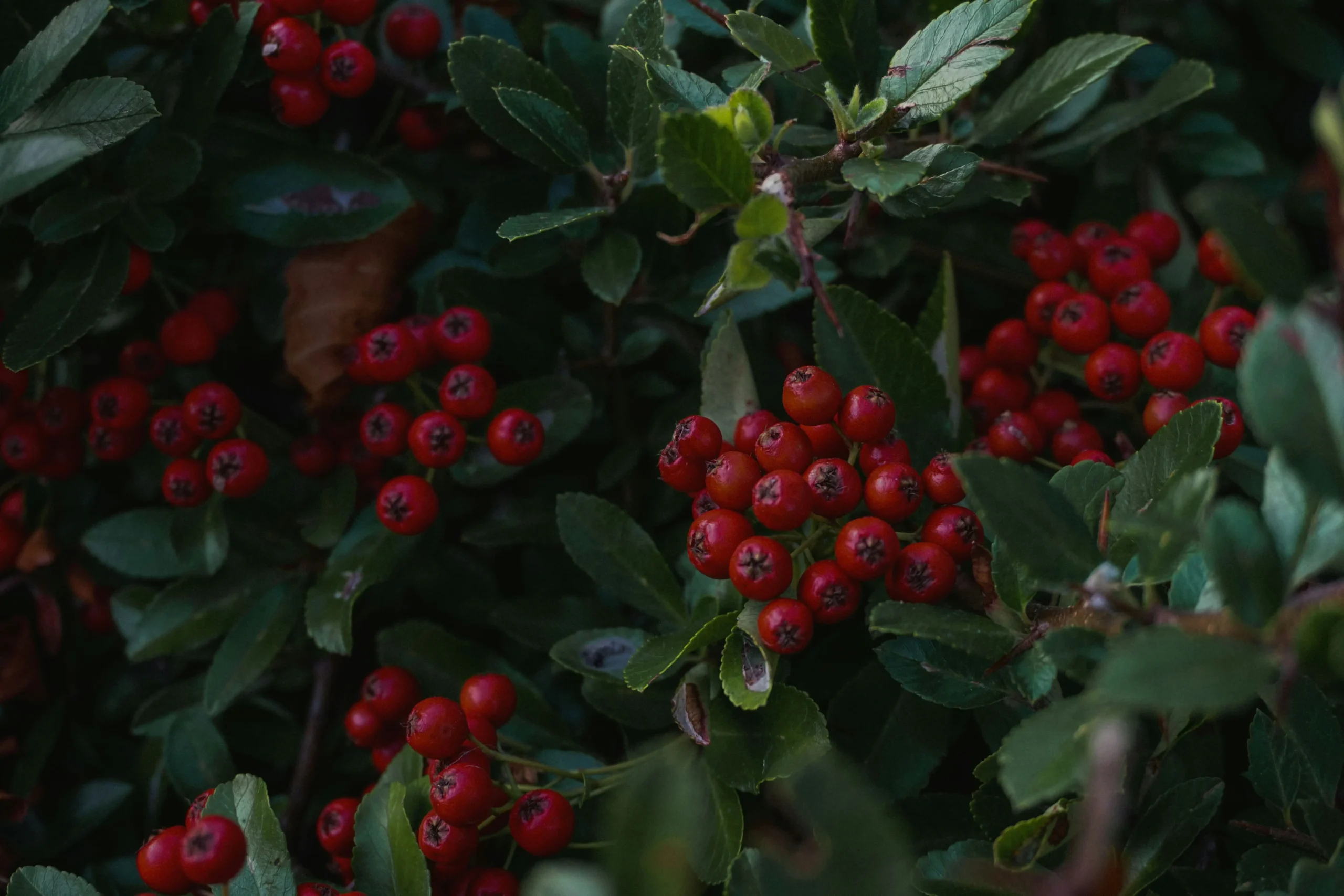
Some fruits win attention because they are sweet, colourful and easy to eat. Karonda takes a different route. This small, sharply flavoured fruit is known for its tart taste and has been part of South Asian food traditions for generations.
Often called karonda and scientifically identified as Carissa carandas, the fruit grows on a thorny evergreen shrub belonging to the Apocynaceae family. It is found across tropical and subtropical parts of Asia, including Pakistan and India. Modern research has renewed interest in this once-overlooked fruit because of its nutritional profile and naturally occurring plant compounds.
What Makes Karonda Different?
Karonda is not the type of fruit that usually gets eaten by the handful. Its natural sourness and slight astringency give it a distinctive character.
The fruit changes colour as it matures. Depending on its stage of ripeness, it can appear green, pink, red or dark purple. This changing appearance makes karonda useful not only as a fresh ingredient but also in traditional food preparation.
Unripe karonda is particularly popular for pickles and chutneys. Ripe fruit can be used in jams, jellies, beverages and other processed foods. Researchers have also explored its potential for food preservation and value-added products.
Karonda Fruit Nutrition
The nutritional composition of karonda makes it an interesting addition to a varied diet.
Research has identified carbohydrates, dietary fibre, proteins, fats, vitamin C and several minerals in Carissa carandas. The exact nutritional values can vary with variety, ripeness, cultivation conditions and testing methods.
Vitamin C is one of the nutrients that makes karonda particularly interesting. A recent review highlighted its vitamin and mineral content, while earlier nutritional research also reported substantial ascorbic acid levels in Carissa fruits.
Rather than focusing on one nutrient, karonda is best viewed as part of a diverse diet that includes different fruits, vegetables and other whole foods.
Karonda and Antioxidants
One of the most researched features of karonda is its collection of naturally occurring phytochemicals.
Studies have identified phenolic compounds, flavonoids, anthocyanins and other secondary metabolites in Carissa carandas. Laboratory investigations have also demonstrated antioxidant activity in fruit and plant extracts.
Antioxidants are compounds associated with protection against oxidative stress. However, an important distinction matters here: antioxidant activity observed in a laboratory extract does not automatically prove that eating the whole fruit prevents or treats a particular disease.
That distinction helps keep the health conversation around karonda accurate.
Potential Health Value of Karonda
A Natural Source of Vitamin C
Karonda can contribute vitamin C to the diet. This essential nutrient supports normal collagen formation, immune function and antioxidant protection.
The amount of vitamin C can differ according to the fruit and its maturity, so karonda should be considered one useful food source rather than a replacement for other fruits and vegetables.
Plant Compounds With Antioxidant Potential
Research has found several bioactive compounds in Carissa carandas. These compounds have attracted scientific interest because laboratory studies have reported antioxidant and antimicrobial activity.
Scientists are still investigating how these compounds behave in the human body. More human research is needed before strong therapeutic claims can be made.
Traditional Food Value
Karonda has practical value beyond nutrition. Its sour flavour makes it especially useful in South Asian cuisine.
Pickles, chutneys, jams and jellies are among the familiar ways to use the fruit. Its natural colour and phytochemical content have also encouraged research into food products, beverages and natural ingredients.
How to Enjoy Karonda
Fresh karonda can be washed and prepared according to its ripeness. Because the fruit is naturally tart, many people prefer it in savoury dishes.
Try it in a homemade pickle, blend it into a chutney or use ripe fruit for jam and jelly. These preparations can turn its sharp flavour into something much more approachable.
For everyday nutrition, moderation still matters. A fruit-based food can be part of a balanced eating pattern without being presented as a cure-all.
Karonda Is Not the Same as Cranberry
There is an important naming issue worth knowing.
Karonda (Carissa carandas) and cranberry (Vaccinium species) are different fruits. They belong to different botanical groups and should not be treated as interchangeable sources of health evidence.
This matters particularly when discussing urinary health. Research concerning cranberry should not automatically be presented as evidence for karonda.
The Final Word
Karonda may be small, but its story is surprisingly rich. Its distinctive sour flavour, vitamin C, minerals and diverse plant compounds make it an interesting traditional fruit with growing scientific attention.
The strongest reason to include karonda is not a miracle health promise. It is its combination of food value, culinary versatility and promising phytochemical profile.
From a sharp pickle to a homemade chutney or sweet preserve, this lesser-known South Asian fruit deserves a place in the conversation about traditional foods and modern nutrition.
Health note: Research on karonda includes laboratory, experimental and review studies. These findings do not establish the fruit as a treatment for infections, inflammation or other medical conditions. Anyone with a medical condition should rely on advice from a qualified healthcare professional.
This article is for general informational purposes only and is not a substitute for professional medical advice.
Learn with us
Keep In touch With www.cookandshare.co
Cook Share Inspire

2 Comments
Pingback: Lahori Paya Recipe | Authentic Pakistani Slow-Cooked Paya
Pingback: Honey for Breakfast: Health Benefits, Uses & Smart Ways to Eat It