

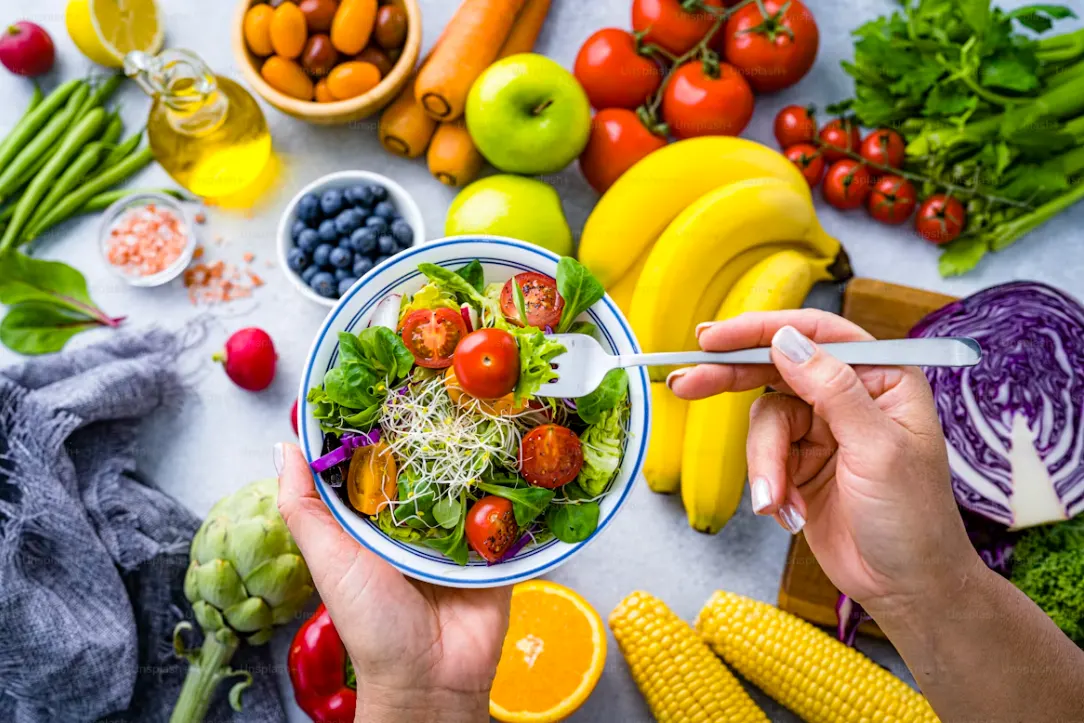
What if improving your cholesterol profile could begin with what you put on your breakfast plate, into your lunch bowl, or beside your evening meal?
HDL, commonly known as “good cholesterol,” has an important role in the body. It helps transport cholesterol away from the bloodstream toward the liver, where it can be processed and removed.
That does not mean that simply raising HDL guarantees protection from heart disease. Cholesterol management is more complicated than one laboratory number. LDL cholesterol, triglycerides, blood pressure, blood sugar, smoking, physical activity, body weight and family history all matter.
Still, food choices can help support an overall heart-healthy eating pattern.
The original material behind this article highlights dark chocolate, fish, berries and eggs as foods associated with changes in HDL. Those foods can certainly fit into a nutritious diet, but the strength of evidence varies, and individual responses are different.
What Is HDL Cholesterol?
HDL stands for high-density lipoprotein.
It is often described as good cholesterol because HDL particles help transport cholesterol from tissues and blood vessels toward the liver.
However, a higher HDL number should not be treated as a guarantee against cardiovascular disease. Modern cholesterol management looks at the complete risk picture rather than focusing on HDL alone.
That distinction is important when reading claims about foods that supposedly “raise good cholesterol.”
1. Fatty Fish
Fatty fish is one of the most useful foods to include in a heart-conscious eating pattern.
Salmon, sardines, mackerel and trout provide omega-3 fatty acids. These fats have been extensively studied for their relationship with cardiovascular health and blood triglycerides.
Instead of concentrating solely on whether fish increases HDL by a particular percentage, it makes more sense to consider the broader nutritional value.
Try grilled salmon with vegetables, baked sardines with lemon, or mackerel served with a fresh salad.
The aroma of fish cooking with garlic, lemon and herbs can turn a simple dinner into something genuinely enjoyable.
2. Berries
Strawberries, blueberries, raspberries and other berries bring color, natural sweetness and a useful collection of plant compounds to the table.
They also provide fiber and are an easy alternative to heavily processed desserts.
A bowl of berries with plain yogurt makes a simple breakfast. They can also be added to oatmeal, blended into a smoothie or served alongside nuts.
Rather than expecting berries to dramatically change one cholesterol number, think of them as part of a dietary pattern rich in fruits, vegetables and minimally processed foods.
3. Dark Chocolate
Dark chocolate is an interesting food because cocoa contains plant compounds called flavanols.
Research has investigated cocoa and dark chocolate in relation to vascular function and several cardiovascular markers.
However, chocolate is also energy-dense and can contain considerable amounts of sugar and saturated fat depending on the product.
That means a small portion makes more sense than treating chocolate as a cholesterol treatment.
Choose dark chocolate with a high cocoa percentage and keep the serving modest.
A few pieces enjoyed slowly with unsweetened tea can be far more satisfying than eating an entire bar without noticing.
4. Eggs
Eggs are nutritious and provide high-quality protein along with several vitamins and minerals.
The original source material claims that eating one egg daily for 12 weeks can increase HDL by 48 percent, attributing the effect partly to lecithin in the yolk.
That specific figure should not be presented as a universal result without the original research being identified and independently verified.
Eggs can still be part of a balanced diet for many people. The overall dietary pattern matters, including what accompanies the egg. Eggs served with vegetables and whole-grain toast create a very different meal from eggs combined with processed meats and refined carbohydrates.
Anyone with a diagnosed cholesterol disorder should follow advice from their healthcare professional.
5. Nuts and Seeds
Although they were not included in the original passage, nuts and seeds deserve attention when discussing heart-conscious eating.
Almonds, walnuts, pistachios, chia seeds and flaxseeds provide unsaturated fats, fiber and other nutrients.
A small handful of unsalted nuts can make a practical snack. Ground flaxseed can be stirred into oatmeal or yogurt.
Portion size still matters because nuts and seeds are calorie-dense.
6. Olive Oil
Extra-virgin olive oil is another useful source of predominantly monounsaturated fat.
It works beautifully in everyday cooking and can replace some sources of saturated fat.
Drizzle it over vegetables, use it in homemade salad dressing, or combine it with herbs and lemon for a simple dip.
The goal is not to consume unlimited oil. It is to choose fats thoughtfully and build meals around nutritious foods.
7. Fiber-Rich Foods
Beans, lentils, oats, barley, fruits and vegetables provide dietary fiber.
Some types of soluble fiber can help reduce LDL cholesterol. This is particularly relevant because LDL is a major target in cardiovascular risk reduction.
A bowl of oatmeal topped with berries and a few nuts is therefore more than a convenient breakfast. It combines several foods associated with a heart-conscious eating pattern.
Does Raising HDL Prevent Heart Disease?
This is where nutrition headlines can become misleading.
HDL is associated with cardiovascular health, but simply increasing the HDL number does not automatically mean that cardiovascular risk falls.
That is why a sensible approach focuses on the entire picture.
Eating more vegetables, fruit, whole grains, legumes, nuts and fish while limiting highly processed foods and excessive saturated fat can support a healthier dietary pattern.
Regular physical activity, not smoking, maintaining a healthy weight and controlling blood pressure and blood sugar are also important.
What About the Claimed Percentages?
The original material reports several specific changes:
- Dark chocolate: a reported 9% HDL increase
- Fish: a reported 4% increase
- Berries: a reported 5% increase
- Eggs: a reported 48% increase
These figures should be treated as historical claims from the supplied source, not guaranteed nutritional effects.
Results from small studies cannot automatically be applied to every person. Study design, serving size, participant characteristics, duration and baseline cholesterol levels can all influence the outcome.
For that reason, a food should not be prescribed as a treatment simply because a study reported a percentage change in HDL.
A Heart-Friendly Plate
A practical meal does not need to feel like a medical prescription.
Imagine grilled salmon with roasted vegetables, lentils and a spoonful of olive-oil dressing. Finish with fresh berries and plain yogurt.
The colors, textures and aromas make the meal enjoyable while providing protein, fiber, unsaturated fats, vitamins and minerals.
That is the bigger lesson.
Rather than chasing one cholesterol number, build eating habits that support cardiovascular health over time.
How Much Do Children Like These Foods?
Children’s preferences vary, but several of these foods can be introduced in simple, familiar forms.
Berries can be served with yogurt or oatmeal. Eggs can become scrambled eggs with vegetables or a simple breakfast sandwich. Fish can be prepared as mild baked fillets with lemon.
Dark chocolate should remain an occasional treat rather than a strategy for improving cholesterol.
Children also need age-appropriate portions and balanced meals. Their nutritional needs differ from those of adults, so adult cholesterol targets should not simply be applied to children.
The Bottom Line
HDL deserves a place in any discussion about cholesterol, but it should not become the entire story.
Fatty fish, berries, nuts, seeds, olive oil, fiber-rich foods and modest portions of dark chocolate can all fit into a nutritious eating pattern. Eggs can also be part of a balanced diet for many people.
The most useful goal is not to chase a particular HDL percentage. It is to build everyday meals that support a healthy cardiovascular profile.
And fortunately, that does not require boring food.
A colorful bowl of berries, a fragrant piece of grilled fish, warm oatmeal with nuts or a fresh salad dressed with olive oil can make healthy eating something to look forward to.
Health Disclaimer
This article is for general educational purposes and does not diagnose, treat or prevent disease. Cholesterol levels and cardiovascular risk should be interpreted by a qualified healthcare professional, particularly for anyone taking cholesterol medication or living with diabetes, heart disease or another chronic condition.
Source:
- American Heart Association — Cholesterol
- National Heart, Lung, and Blood Institute — High Blood Cholesterol
- MedlinePlus — Cholestero
- USDA — My Plate
Learn with us www.cookandshare.co
Cook Share Inspire
