

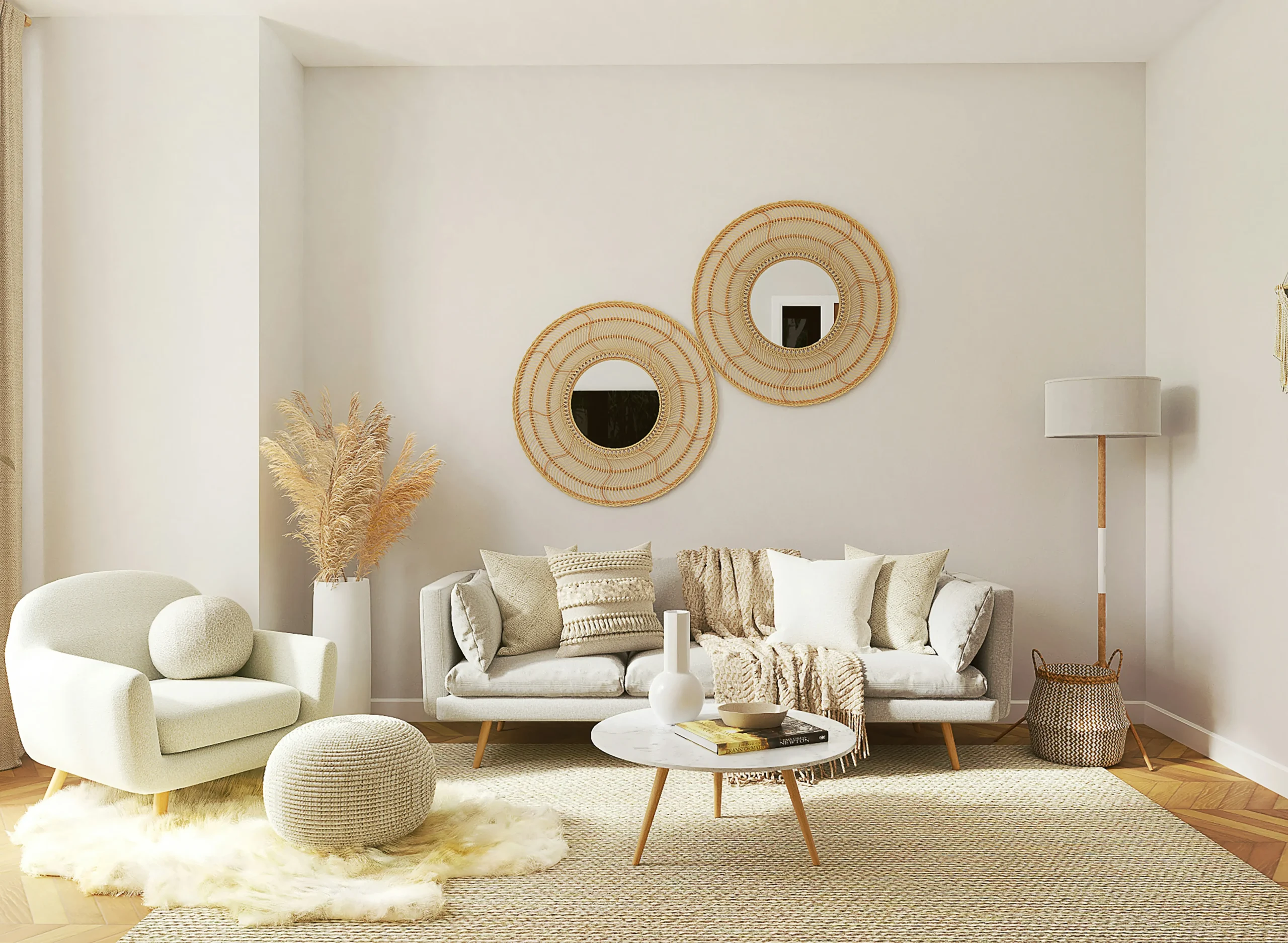
A well-organized home does not have to look expensive.
You do not need designer furniture, costly storage systems or a complete renovation to make a house feel calmer and more comfortable. A few thoughtful changes can completely alter the way a room works.
The drawing room is a good place to begin. It is often the first room guests see, but it can also become a busy family space where children play, adults relax and everyday items quickly collect.
The trick is to make the room attractive and useful.
Start With What You Already Have
Before buying anything, look carefully at the furniture and belongings already in the room.
Ask a simple question: Does this item serve a purpose?
If a table is rarely used, consider moving it elsewhere. If chairs block the walking path, rearrange them. And If decorative pieces occupy useful surfaces, keep only the ones that genuinely add something to the room.
This first step costs nothing.
A good layout can make a modest drawing room feel larger without changing its size.
Create a Comfortable Family Corner
If children regularly spend time in the drawing room, reserve a small area for them.
A soft floor mat, washable rug or inexpensive foam play tiles can define the space. Add a small basket for books, coloring supplies or a few toys.
The important part is keeping the collection limited.
Children can have a place for their things without allowing toys to spread across the entire room.
Choose storage that is easy for a child to reach. Open baskets are often more practical than complicated cabinets because children can quickly put items away after playing.
Use Vertical Space
When floor space is limited, look upward.
Wall-mounted shelves can hold books, small plants, family photographs and lightweight decorative pieces. A narrow shelf takes much less floor area than another cabinet.
However, safety matters when children are present.
Secure shelves and tall furniture properly, especially in homes with toddlers. The U.S. Consumer Product Safety Commission provides guidance on preventing furniture and television tip-over incidents.
Keep heavy objects low and avoid placing fragile or hazardous items within a child’s reach.
Give Every Item a Home
Clutter becomes easier to control when frequently used objects have a designated place.
Keep remote controls together in one small tray. Place keys in a bowl near the entrance. Use a basket for children’s books. Store blankets in a washable container.
These tiny systems make a noticeable difference because family members know where things belong.
A room does not stay organized because someone constantly cleans it. It stays organized because the layout makes tidying easier.
Choose Multi-Purpose Furniture
When money is limited, every purchase should earn its place.
An ottoman with hidden storage can provide seating and a place for blankets. A small side table can hold drinks while also providing a lower shelf for books.
A simple wooden bench can work as extra seating, shoe storage or a temporary surface when needed.
Before buying furniture, measure the available space. This prevents an expensive mistake and keeps the room from becoming overcrowded.
Make the Drawing Room Kid-Friendly Without Losing Its Style
A child-friendly room does not have to look like a playroom.
Use washable covers where possible. Choose rounded furniture edges and avoid easily breakable decorations at low levels.
Keep electrical wires organized and away from areas where children play. Small decorative objects should stay on higher surfaces if they present a choking or breakage risk.
You can also introduce color through cushions, curtains, artwork or a small rug instead of purchasing a completely new furniture set.
That approach changes the atmosphere without placing unnecessary pressure on the household budget.
Refresh the Room With Simple Changes
Sometimes the room only needs a visual refresh.
Wash the curtains. Clean the windows. Rearrange the seating. Remove unused decorations. Add a plant if the space and lighting are suitable.
Even changing the position of a sofa can make a room feel completely different.
Natural light is another free design tool. Keep windows reasonably clear so daylight can reach the room.
Mirrors can also help reflect light, but position them carefully and make sure they are securely mounted.
Create a Five-Minute Evening Reset
One of the easiest ways to maintain an organized home is to spend five minutes resetting the drawing room at the end of the day.
Return books to their basket.
Put toys away.
Fold blankets.
Clear the coffee table.
Return remote controls to their tray.
Straighten cushions.
This small routine prevents minor messes from becoming a large weekend cleaning project.
A Simple Low-Budget Shopping List
If the room genuinely needs a few additions, start with practical items:
- One or two storage baskets
- A washable rug or floor mat
- A small tray
- Simple cushion covers
- Cable organizers
- A compact bookshelf
- Wall hooks where appropriate
- A child-friendly toy or book basket
Buy items gradually rather than trying to transform the entire room in one shopping trip.
The Goal Is Function, Not Perfection
An organized home should make daily life easier.
There will be toys on the floor. Someone will leave a cup on the table. Cushions will move. That is normal in an active family home.
The goal is not to create a showroom.
The goal is to create a space where adults can relax, children can enjoy themselves and everything can be returned to its place without a major effort.
Start with the drawing room. Remove what you do not need, give everyday belongings a home and make safety part of the design.
You may discover that the most effective home makeover was hiding in your existing furniture all along.
FAQ
How can I organize my home with very little money?
Start by decluttering and rearranging existing furniture. Then add inexpensive baskets, trays and simple storage only where they solve a specific problem.
How can I make a drawing room useful for children?
Create a defined play or reading corner with washable flooring and accessible storage. Keep fragile, sharp and hazardous objects out of reach.
What is the cheapest way to make a room look better?
Cleaning, rearranging furniture, improving natural light and removing unnecessary items can make a substantial difference without requiring major spending.
How do I keep a family room organized?
Give frequently used belongings designated storage and establish a short daily reset routine. Simple systems are easier to maintain than complicated ones.
Source
- A Hundred Effections
- Gal Home desig studio
Learn with us
Keep In touch With www.cookandshare.co
Cook Share Inspire

2 Comments
Pingback: Multifunctional Furniture Ideas for Small Spaces
Pingback: How to Organize a Kitchen on a Budget (Without Looking Cheap)