

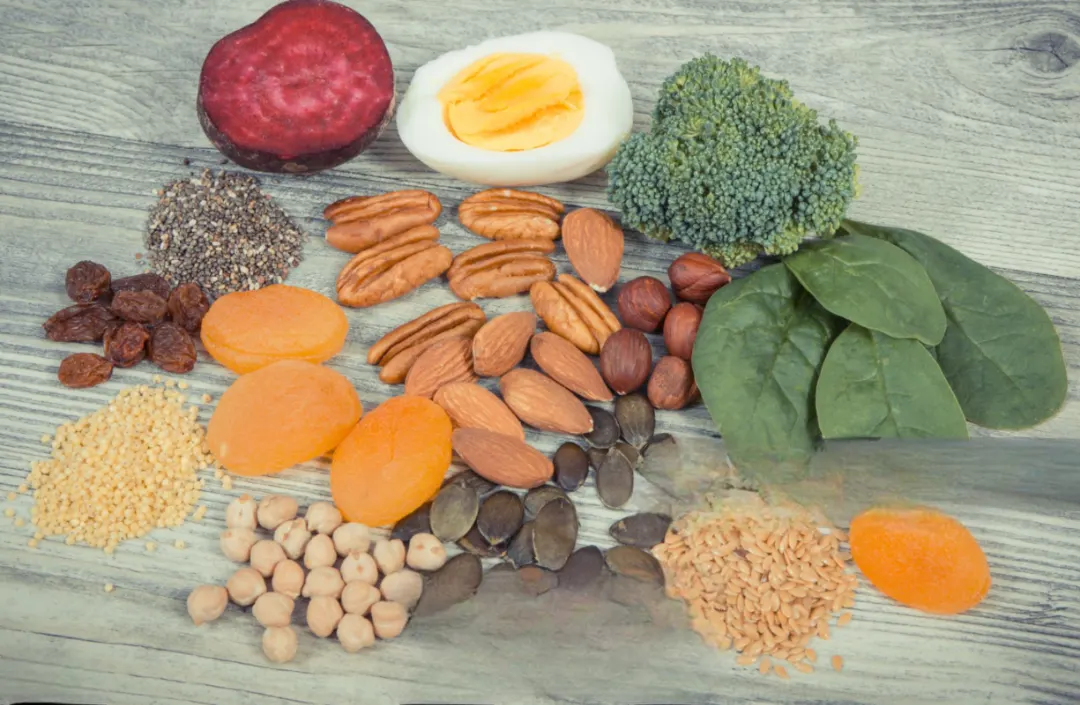
Fruits and vegetables can be an important part of a healthy diet when you have low iron. Dark leafy vegetables such as spinach and kale provide some iron, while tomatoes, bell peppers, oranges, strawberries, and lemons provide vitamin C, which helps the body absorb plant-based iron more effectively. Adding a variety of colorful fruits and vegetables to your daily meals can support overall nutrition and make an iron-conscious diet more balanced. However, fruits and vegetables alone may not be enough to treat diagnosed iron-deficiency anemia.
The Everyday Foods That Can Help You Get More Iron
Feeling unusually tired after a normal night’s sleep? Finding it difficult to concentrate? Looking pale or short of breath during ordinary activities?
Low iron may be one possible reason, although these symptoms can have many causes.
Iron is an essential mineral. Your body needs it to make hemoglobin, the protein inside red blood cells that carries oxygen from the lungs to tissues throughout the body.
When iron stores become too low, the body may struggle to produce enough healthy hemoglobin. Over time, this can lead to iron-deficiency anemia.
The good news is that your everyday diet can play an important role in maintaining adequate iron intake.
Leafy vegetables, beans, lentils, seeds, meat, seafood, dried fruit and fortified foods can all contribute iron. The trick is not simply to eat one “superfood.” It is to build meals that provide iron regularly and, when appropriate, combine plant sources with foods rich in vitamin C.
First, Understand What Iron Actually Does
Iron has several important jobs in the body.
Its best-known role is helping hemoglobin transport oxygen. Iron is also involved in normal energy metabolism and other biological processes.
When iron deficiency becomes significant, symptoms may include:
- Tiredness and weakness
- Reduced energy
- Headaches
- Dizziness
- Difficulty concentrating
- Pale skin
- Shortness of breath, particularly with exertion
- Feeling unusually cold
These symptoms are not specific to iron deficiency. If they persist, a healthcare professional can assess the cause and may recommend blood tests such as a complete blood count and ferritin measurement.
That distinction matters.
Food can help meet iron needs, but confirmed iron-deficiency anemia may require medical treatment in addition to dietary changes.
1. Add More Dark Green Leafy Vegetables
Spinach and other dark green vegetables are useful additions to a balanced diet.
They provide iron along with folate, vitamin K, vitamin C in some varieties, fiber and other micronutrients. Spinach is also relatively low in calories, making it easy to include in everyday meals.
Try adding cooked spinach to:
- Omelets
- Lentil curry
- Soups
- Vegetable dishes
- Whole-grain wraps
- Rice dishes
One important detail often gets overlooked: the type of iron found in plant foods is non-heme iron, which the body generally absorbs less efficiently than heme iron from animal foods.
That does not make vegetables unhelpful. It simply means food combinations matter.
2. Pair Iron Foods With Vitamin C
This is one of the most useful nutrition tips to remember.
Vitamin C can improve the absorption of non-heme iron from plant foods.
Instead of thinking only about individual ingredients, think about the entire plate.
For example:
Lentils + tomatoes
Chickpeas + lemon
Spinach + bell peppers
Beans + fresh tomato salad
Iron-fortified cereal + strawberries
That simple pairing can make an iron-rich meal more nutritionally useful.
3. Don’t Forget Lentils, Beans and Chickpeas
Legumes are affordable, versatile sources of plant-based protein and iron.
Lentils, chickpeas, kidney beans and other pulses can become regular parts of an iron-conscious diet.
A bowl of lentil soup with tomatoes and lemon is a simple example. Chickpea salad with tomatoes, cucumber, lemon and fresh herbs is another.
These foods also provide fiber, which can support digestive health.
For family meals, legumes are especially useful because they can be incorporated into curries, soups, salads and rice dishes without requiring expensive ingredients.
4. Raisins and Dates: Convenient, But Keep Portions Sensible
Raisins and dates are often recommended in traditional diets for people concerned about low iron.
They do contain iron and other nutrients, but they should not be treated as a cure for anemia.
Dried fruit is concentrated because most of its water has been removed. That means it also contains concentrated natural sugars and calories.
A modest portion can make a convenient snack.
Try adding a small amount of raisins to oatmeal or yogurt, or enjoy a couple of dates with a meal containing another source of iron.
For children, portion sizes should be age-appropriate.
5. Sesame Seeds Can Add Iron to Your Diet
Sesame seeds are another useful plant-based source of iron.
They also provide healthy fats, protein, calcium, magnesium and other nutrients.
Black and white sesame seeds can be sprinkled over:
- Salads
- Yogurt
- Stir-fried vegetables
- Homemade bread
- Oatmeal
- Hummus
- Rice dishes
Soaking seeds overnight is a traditional preparation method, but it is not necessary for everyone to obtain their nutritional benefits. If soaked foods are used, keep them refrigerated and handle them safely.
6. Fruits Still Have an Important Role
Most fruits are not particularly rich sources of iron, so it is better not to describe fruit generally as an “iron-rich food.”
Their real value here can be vitamin C and overall nutritional variety.
Oranges, grapefruit, strawberries, kiwi and some types of melon can help provide vitamin C.
Tomatoes are technically a fruit and can be an excellent addition to savory iron-containing meals.
A squeeze of lemon over lentils, chickpeas or cooked vegetables is one of the easiest ways to bring vitamin C into an iron-focused meal.
A Simple Iron-Friendly Day of Eating
You do not need an expensive diet to increase your intake of iron-containing foods.
Breakfast
Eggs with whole-grain toast, spinach and a tomato salad.
Mid-Morning
A small portion of raisins or dates with fruit.
Lunch
Lentil or chickpea curry with tomatoes, vegetables and lemon.
Afternoon
Yogurt with fruit and a small sprinkle of sesame seeds.
Dinner
Chicken, beans or another protein source with leafy vegetables and a fresh salad.
The exact diet should depend on age, health status, dietary preferences and individual nutritional needs.
Foods and Drinks That May Affect Iron Absorption
There is another side to the story.
Tea and coffee contain compounds that can reduce the absorption of non-heme iron when consumed with meals.
This does not mean you need to eliminate them.
If iron intake or absorption is a concern, consider drinking tea or coffee between meals rather than alongside an iron-rich meal.
Calcium can also affect iron absorption under certain circumstances, so people taking iron supplements should follow the timing instructions provided by their healthcare professional.
When Food Alone Isn’t Enough
This is the most important point in the article.
If blood tests confirm iron-deficiency anemia, changing your diet may be helpful but may not provide enough iron to correct the deficiency.
Iron deficiency can have different causes, including inadequate dietary intake, increased requirements during pregnancy, poor absorption, or blood loss.
For some people, particularly those with significant anemia, an iron supplement may be recommended by a healthcare professional.
Do not take high-dose iron supplements simply because you feel tired. Too much iron can be harmful, and unexplained anemia deserves proper evaluation.
For reliable medical information, the National Institutes of Health Office of Dietary Supplements provides detailed information about iron requirements, sources and absorption.
A Final Thought for Your Everyday Diet
There is no single fruit, vegetable or seed that can magically fix iron deficiency.
Good nutrition works differently.
It is built through small choices repeated over time: adding leafy greens to meals, choosing beans and lentils regularly, including appropriate protein sources, enjoying fruit, and pairing plant-based iron foods with vitamin C.
If you have persistent fatigue, dizziness, breathlessness, unusual paleness or other concerning symptoms, do not rely on food advice alone. Speak with a healthcare professional and find out whether iron deficiency is actually the cause.
Your body deserves to know the reason behind the problem—not just a temporary fix.
FAQ
What are the best foods for iron deficiency?
Good dietary sources include meat and seafood, lentils, beans, chickpeas, fortified cereals, tofu, spinach and seeds such as sesame. The amount and type of iron vary between foods.
Which fruits contain iron?
Most fruits contain relatively little iron. Dried fruits such as raisins and dates contain some iron, while fruits such as oranges and strawberries are more useful for their vitamin C content.
Does vitamin C increase iron absorption?
Yes. Vitamin C can improve the absorption of non-heme iron found in many plant foods.
Is spinach enough to treat anemia?
No. Spinach can contribute iron and other nutrients, but diagnosed iron-deficiency anemia may require medical treatment depending on its severity and cause.
Can children eat raisins and dates for iron?
They can be part of a balanced diet, but portions should be appropriate for the child’s age. Whole dried fruit can also present a choking risk for very young children, so preparation and supervision matter.
Nutrition Perspective
Best sources of heme iron:
Meat, poultry and seafood.
Useful plant sources:
Lentils, beans, chickpeas, tofu, fortified foods, spinach and seeds.
Vitamin C companions:
Oranges, strawberries, tomatoes, bell peppers, kiwi and citrus fruits.
Important: Nutrition values vary according to serving size, preparation and the specific food.
Medical note: This article is for general health education and does not replace diagnosis or individualized medical advice.
Sources
- NIH Office of Dietary Supplements — Iron
- NHS — Iron Deficiency Anaemia
- USDA FoodData Central
Learn with us www.cookandshare.co
Cook Share Inspire

1 Comment
Pingback: How to Organize Your Home on a Budget | Smart Ideas