

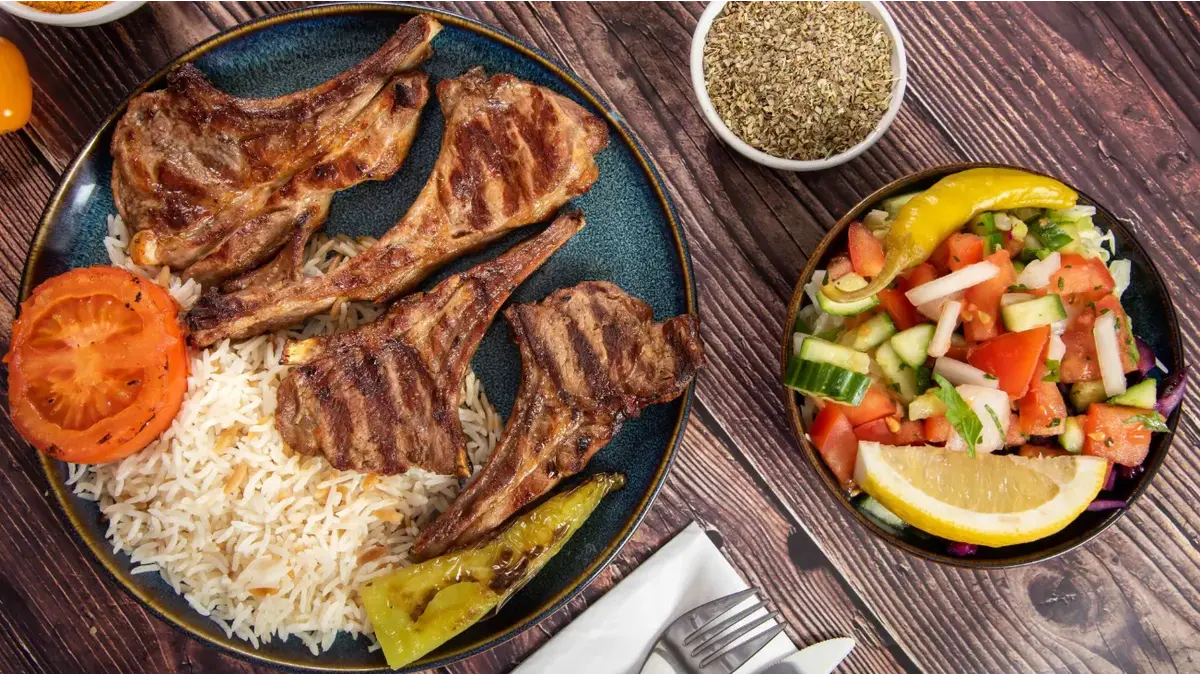
Turkish rice pilaf proves that a handful of everyday ingredients can create something special. Properly cooked rice should be tender, fragrant, and separate rather than sticky or waterlogged. The secret lies in preparing the grains carefully, toasting the pasta, controlling the cooking liquid, and letting the finished rice rest.
Known in Turkish as pirinç pilavı, this comforting dish appears in many forms across Turkish cuisine. Some versions use plain rice, while others feature toasted vermicelli, chicken broth, vegetables, or meat. This easy Turkish pilaf recipe combines rice with golden orzo, butter, and olive oil for a flavorful side dish that pairs beautifully with kebabs, roasted chicken, vegetables, and stews.
What Is Turkish Pilaf?
Turkish pilaf, also called Turkish rice pilaf or pilav, is a rice dish cooked with fat and a measured amount of water or broth. Unlike rice prepared by boiling and draining, pilaf absorbs its cooking liquid, helping it develop a rich flavor and a distinct texture.
One popular variation is şehriyeli pilav, made with small pasta pieces called şehriye. Orzo, a rice-shaped pasta commonly available in American grocery stores, is a convenient substitute. Toasting it before adding the rice creates a warm, nutty flavor and attractive golden color.
Turkish Pilaf Recipe: Ingredients
Prep time: 10 minutes Cook time: 25 minutes Resting time: 10 minutes Total time: Approximately 45 minutes Yield: 6 side-dish servings
Ingredients
- 2 cups long-grain white rice, preferably Baldo or another suitable pilaf rice
- ½ cup orzo pasta
- 2 tablespoons unsalted butter
- 2 tablespoons olive oil
- 3 cups hot water or low-sodium chicken broth, adjusted for your rice
- 1 teaspoon salt, or to taste
Note: Rice varieties absorb different amounts of liquid. Follow the package guidance for your chosen rice and adjust the liquid if needed.
How to Make Turkish Rice Pilaf
1. Rinse and drain the rice
Place the rice in a bowl and rinse it several times under cool water until the water becomes clearer. Drain thoroughly. If time allows, soak it briefly, then drain it well again.
Removing excess surface starch can help reduce stickiness. Thorough draining also prevents extra water from disrupting the cooking ratio.
2. Toast the orzo
Heat the butter and olive oil in a medium saucepan over medium heat. Add the orzo and stir frequently for a few minutes until it turns golden brown.
Watch it closely because small pasta pieces can burn quickly. Even browning gives the finished pilaf a deeper, toasted flavor.
3. Coat the rice in fat
Add the drained rice to the saucepan. Stir gently for two to three minutes so the grains become coated in the butter and oil. This step adds flavor and helps prepare the rice for even cooking.
4. Add the liquid and simmer
Carefully pour in the hot water or broth and add the salt. Bring the mixture to a gentle boil, then reduce the heat to low. Cover the saucepan with a tight-fitting lid.
Cook for approximately 15–20 minutes, or until the liquid has been absorbed and the rice is tender. Avoid repeatedly lifting the lid, which allows steam to escape.
5. Let the pilaf rest
Remove the saucepan from the heat and leave it covered for 10 minutes. This resting period allows moisture to distribute more evenly through the rice.
Fluff gently with a fork before serving. The finished grains should be tender and distinct, with the toasted orzo distributed throughout.
Tips for Perfect Turkish Pilaf
- Choose the right rice: Baldo is commonly used in Turkish cooking. Long-grain rice can also work, although the texture will differ.
- Measure carefully: Too much liquid can make the pilaf mushy. Check the rice package and adjust the quantity as necessary.
- Keep the heat low: Once covered, rice needs a gentle simmer rather than vigorous boiling.
- Resist stirring: Frequent stirring can break the grains and encourage a sticky texture.
- Rest before serving: Do not skip the final covered resting period.
What to Serve with Turkish Pilaf
Serve Turkish pilaf alongside chicken shish kebabs, grilled lamb, roasted vegetables, or Turkish white beans in tomato sauce. Plain yogurt, cacık (a yogurt and cucumber dish), and a crisp salad offer refreshing contrasts to the buttery rice.
For a more substantial meal, replace some or all of the water with suitable broth. You can also serve the rice with chickpeas or cooked chicken, although additions will change the nutritional profile.
Common Mistakes to Avoid
The most common problem is using too much liquid. Rice that looks wet near the end of cooking may become softer than intended if you continue adding water. Another mistake is browning the orzo too aggressively, which can give the entire dish a burnt taste.
Finally, avoid serving the rice immediately after switching off the heat. A short resting period is an important part of achieving the desired texture.
Is Turkish Pilaf Healthy?
Turkish pilaf provides carbohydrates, which supply energy, while butter and olive oil contribute fat. The dish is not automatically high in protein, so pairing it with beans, lentils, yogurt, chicken, or fish can create a more balanced meal.
Its nutritional value depends on portion size, the type of rice, the amount of fat, and whether broth or additional ingredients are used. For a lighter version, reduce the butter slightly and use low-sodium broth or water.
Conclusion
Turkish pilaf is a versatile, comforting dish that rewards careful preparation. Rinsing the rice, toasting the orzo, controlling the cooking liquid, and resting the finished pilaf are simple steps that make a noticeable difference. Serve it with grilled meat, beans, vegetables, or yogurt for an easy addition to a Turkish-inspired meal.
Nutrition Facts for Turkish Pilaf
The following values are estimates per serving, calculated for six servings using the ingredient quantities above. Actual values will vary with rice and orzo brands, the amount of fat used, and whether broth contains added sodium.
For a more accurate nutrition panel before publication, calculate the complete recipe using the exact brands and weights of your ingredients, then divide the totals by the actual number of servings.
Estimated Nutrition Facts
| Nutrient | Amount per Serving |
|---|---|
| Serving Size | Approximately 1/6 of the recipe |
| Calories | 320 kcal |
| Total Carbohydrates | 55 g |
| Protein | 5 g |
| Total Fat | 9 g |
| Saturated Fat | 3 g |
| Dietary Fiber | 1 g |
| Sodium | 350–600 mg |
Note: Nutrition values are estimates and may vary depending on the ingredients and portion size.
8. FAQ’s
1. What makes Turkish pilaf different from regular rice?
Turkish pilaf is typically cooked with butter or oil and a measured amount of water or broth. Some versions include toasted vermicelli or orzo, adding a nutty flavor and a distinctive appearance.
2. Can I make Turkish pilaf without orzo?
Yes. Leave out the orzo and prepare plain Turkish rice pilaf using the rice, butter, oil, salt, and liquid. Check the liquid ratio for your particular rice variety.
3. Why does my Turkish rice pilaf become sticky?
Excess surface starch, too much liquid, vigorous stirring, or insufficient draining can contribute to sticky rice. Rinse and drain the grains, measure the liquid carefully, and allow the cooked pilaf to rest before fluffing.
4. Can I use chicken broth instead of water?
Yes. Chicken broth adds savory flavor and works well with grilled chicken, kebabs, and other meat dishes. Low-sodium broth gives you better control over the final salt level.
5. How should I store leftover Turkish pilaf?
Refrigerate leftovers promptly in a shallow, airtight container. For rice safety, refrigerate within two hours of cooking, keep the refrigerator at 40°F (4°C) or below, and use within three to four days. Reheat thoroughly to 165°F (74°C). Avoid leaving cooked rice at room temperature for extended periods.
Source: Cooking with Ayah, The Spice House
Learn with us
Share the Taste with us: www.cookandshare.co
Cook Share Inspire

2 Comments
Pingback: Easy Chicken Corn and Mushroom Soup in 45 Minutes
Pingback: Chicken Cheese Parcels Recipe | Crispy & Cheesy